 Maria Arpa
This week…
The Cost of Truth
With..
Jon Wedger
In one of the most explosive episodes of All Things Conflict, I sit down with former elite detective and specialist interviewer Jon Wedger for a conversation that is both confronting and illuminating.
After more than a decade of silence, Jon speaks openly about what it meant to blow the whistle on alleged high-level corruption and systemic cover-ups involving the abuse of children within British institutions. His story is not just about wrongdoing, it is about the devastating personal cost of speaking the truth.
A Career at the Highest Levels of Policing
For 35 years, Jon operated at the top tiers of British policing. Known for his expertise as a specialist interviewer, he developed a reputation for extracting truth in the most complex and sensitive investigations.
But the skills that once made him valuable to the system would later become the tools he used to challenge it.
In this episode, he reflects on what he witnessed during his career and the moment he realized that speaking out would fundamentally change his life.
The Price of Whistleblowing
Jon describes what he calls a “vicious campaign” to silence him after raising concerns about corruption and failures to properly investigate child abuse cases.
The consequences were severe.
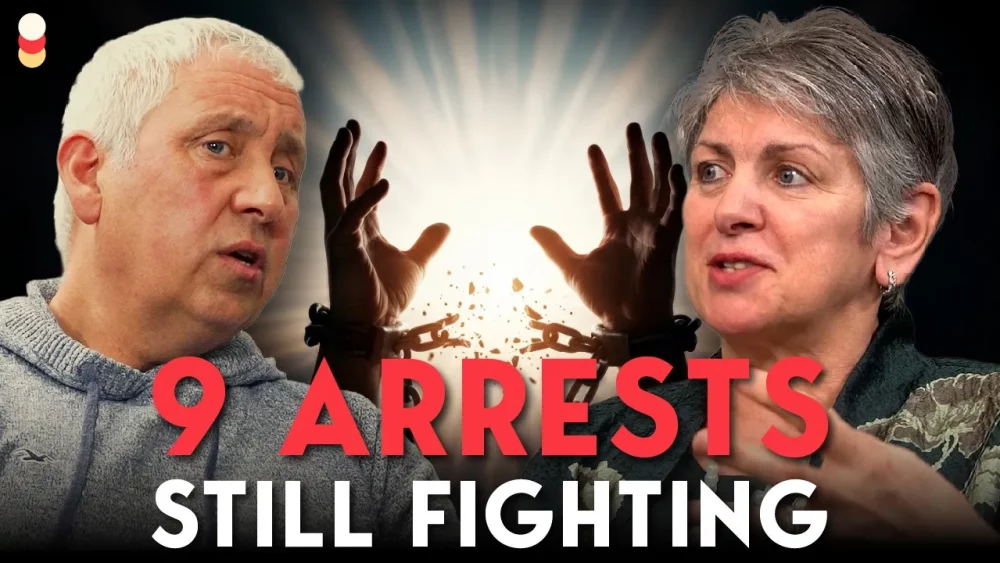
- He was arrested nine times.
- He spent more than three years without pay.
- His professional reputation and personal life came under relentless pressure.
At the same time, his family was facing unimaginable hardship. During this period, his son lay in a coma, forcing Jon to confront both a personal and institutional crisis simultaneously.
The combination of these events pushed him to the brink, but also strengthened his resolve to keep speaking.
Understanding Trauma: The “Three Selves”
Drawing on decades of experience in interrogation and high-level communication, Jon offers a fascinating insight into the psychology of trauma.
He explains what he calls the “Three Selves” theory, a framework for understanding how individuals cope with extreme psychological stress and how offenders often maintain outwardly successful lives while hiding darker realities.
According to Jon, this psychological fragmentation helps explain why some high-level offenders are able to operate behind masks of professionalism, authority, and public trust.
It also sheds light on why confronting these systems can be so difficult.
The Shadow Economy of Exploitation
One of the most disturbing aspects of the conversation is Jon’s discussion of what he describes as a “shadow economy”, networks of power and profit that thrive on the suffering of vulnerable children.
He argues that meaningful change requires confronting uncomfortable truths and challenging institutions that may prefer silence to accountability.
Whether one agrees with his conclusions or not, Jon’s perspective forces listeners to consider how systems respond when insiders raise alarms.
The Courage to Have the “Real Conversation”
At its core, this episode is about courage.
It’s about what happens when someone inside a powerful institution decides that remaining silent is no longer an option.
Jon’s story is raw, emotional, and deeply personal. It raises difficult questions about accountability, power, and the cost of speaking out.
But above all, it calls for something rarely encouraged in institutional spaces: a real conversation.
🎧Listen to this episode if you want to understand what happens when someone inside a powerful institution refuses to stay silent.
If you like this blog or content please share it with others.