 Maria Arpa
This week…
Jeremy Bamber: The 6:09 Call
With..
Phillip Walker & Michael Watkins
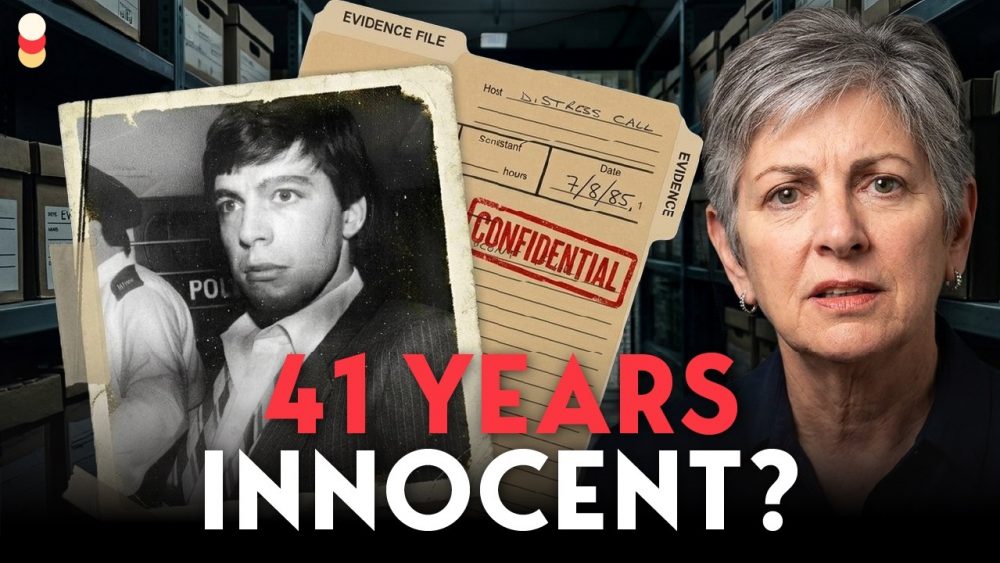
When I sat down to record this episode of All Things Conflict, I thought I understood the broad outlines of the White House Farm case. Like many people, I knew it as one of Britain’s most notorious murder convictions. Jeremy Bamber has spent more than four decades in prison for the deaths of five members of his family in 1985.
What I wasn’t prepared for was how one detail could unravel everything.
At 6:09am on the morning of the White House Farm tragedy, someone inside the farmhouse reportedly dialled 999.
At that exact time, Jeremy Bamber was outside the house, surrounded by dozens of armed police officers.
If that call genuinely originated from inside White House Farm, then a profound question emerges: how could the man standing outside have committed the murders for which he has now spent 41 years behind bars?
That single fact lies at the heart of one of the most fiercely contested miscarriage-of-justice cases in British legal history.
The Evidence the Jury Never Heard
In this episode, I speak with innocence campaigner Phillip Walker and former broadcast journalist and ex-BT 999 operator Michael Watkins. Together, we examine evidence that never reached the jury and ask difficult questions about why our justice system finds it so hard to correct its own mistakes.
As our conversation unfolded, I found myself returning to a troubling theme: maintaining your innocence can sometimes keep you imprisoned longer than admitting guilt. The very act of refusing to confess can become an obstacle to freedom.
The 6:09am Call That Changes Everything
Phillip and Michael take us through the technical realities of the case. We explore the significance of the 6:09am emergency call and why, based on the telephone systems of the 1980s, the official explanation simply doesn’t withstand scrutiny.
Michael’s experience as a BT 999 operator brings a level of insight that is both fascinating and unsettling. His account challenges assumptions many of us have accepted for decades about what happened that morning.
If the call happened as the records suggest, the implications are enormous.
Hidden Records and Unanswered Questions
We also discuss another extraordinary revelation: a 3:26am call log linked to Neville Bamber that remained hidden from the defence for decades.
If disclosed at the time, could it have altered the course of the trial?
It raises uncomfortable questions about disclosure, accountability and whether the pursuit of certainty can sometimes eclipse the pursuit of truth.
Re-examining the Crime Scene
The questions don’t end with the telephone evidence.
We examine allegations that the crime scene itself was rearranged. We look at the bloodstained Bible that later influenced the Court of Appeal. We revisit forensic evidence surrounding the rifle moderator and Sheila Caffell’s fatal wounds, asking what modern re-examination reveals that earlier proceedings may have overlooked.
These details are disturbing not simply because they are disputed, but because they reveal how fragile our confidence in evidence can become when new information emerges.
Who Decides What a Jury Gets to See?
Again and again, the same issue surfaces: disclosure.
Who decides what a jury gets to hear?
What happens when evidence that could assist the defence never sees the light of day?
And what does it say about our criminal justice system that, unlike some other jurisdictions, the UK has no equivalent of a “Brady rule” requiring prosecutors to disclose all potentially exculpatory evidence?
We also explore the role of the Criminal Cases Review Commission and the formidable barriers facing anyone trying to overturn a conviction once the system has reached its verdict.
Why This Story Matters
Whether you believe Jeremy Bamber is innocent, guilty, or remain undecided, this episode isn’t simply about one man or one case.
It’s about the fragility of justice itself.
It’s about how institutions respond when serious questions are raised.
And it’s about the extraordinary difficulty of putting things right when the possibility of a wrongful conviction emerges.
I left this conversation with more questions than answers.
Perhaps that’s exactly where we should begin.
🎧Listen to this episode if you care about fairness, transparency, and what happens when evidence raises difficult questions about a conviction that has stood for decades
If you like this blog or content please share it with others.