 Maria Arpa
This week…
Are We Really Keeping Children Safe?
With..
Alex Renton
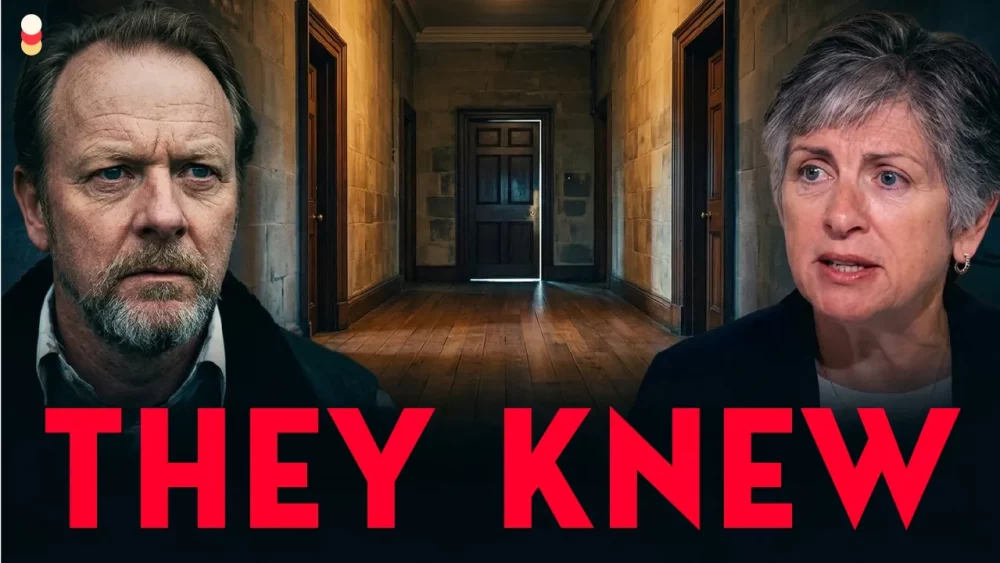
I recently had the privilege of speaking with investigative journalist, author and survivor Alex Renton on All Things Conflict. What followed was one of the most difficult, important and thought provoking conversations I have had.
We explored a question that I believe we can no longer avoid. Why do rates of child abuse continue to rise despite decades of legislation, public inquiries, safeguarding reviews and increased policing?
Alex brought both professional expertise and deeply personal experience to the conversation. As a survivor of sexual abuse at a private boarding school, he offered an unflinching perspective on the systems that are supposed to protect children and the ways in which those systems continue to fall short.
Challenging the stranger danger myth
One of the most uncomfortable truths we discussed is how often we have been taught to look in the wrong direction.
We have built a powerful narrative around the dangerous stranger, the unknown person in the van or the threat lurking outside the family home. Yet more than half of recorded child sexual offences take place within the victim’s own home or trusted family circle.
The reality is much harder to confront. Safeguarding children means looking honestly at the environments and relationships where children should feel safest, even when that makes us uncomfortable.
Prevention must come before tragedy
Another issue that stayed with me was the enormous imbalance between responding to abuse after it happens and preventing it from happening in the first place.
Thousands of sex offenders are held in custody, yet fewer than 11 percent receive therapy or rehabilitation designed to reduce the risk of reoffending.
We also explored Germany’s Dunkelfeld initiative, which takes a very different approach. It offers confidential psychological support to people experiencing inappropriate sexual attractions before they commit an offence.
For me, this raises a fundamental question. What could we achieve if we invested as seriously in prevention as we do in punishment?
Listening to children
Perhaps the most important message from our conversation was the need to restore children’s voices.
Children need to know that when they speak, adults will listen. Historically, children who disclosed abuse were too often dismissed, disbelieved or accused of being malicious or untruthful.
When children’s voices are removed from safeguarding standards and decision making, we risk taking away one of our most important sources of information.
Being believed cannot be an optional part of safeguarding. It has to be the starting point.
What needs to change
This conversation left me convinced that we need to look beyond public outrage and ask what actually works.
We need evidence based prevention. We need meaningful rehabilitation. We need to challenge comfortable myths and uncomfortable assumptions. Most importantly, we need to create environments where children feel heard, believed and safe enough to speak.
Protecting children cannot simply mean reacting better after something terrible has happened.
It means having the courage to ask difficult questions, listen to uncomfortable answers and invest in preventing abuse before another child becomes a victim.
That is a conversation we all need to be willing to have.
🎙️ Listen to the full episode to hear Alex and I explore why our current approach to child safeguarding is failing, what prevention could look like, and how we can create systems that genuinely listen to and protect children.
If you like this blog or content please share it with others.