 Maria Arpa
This week…
From Blame to Repair
With..
Maria Arpa MBE
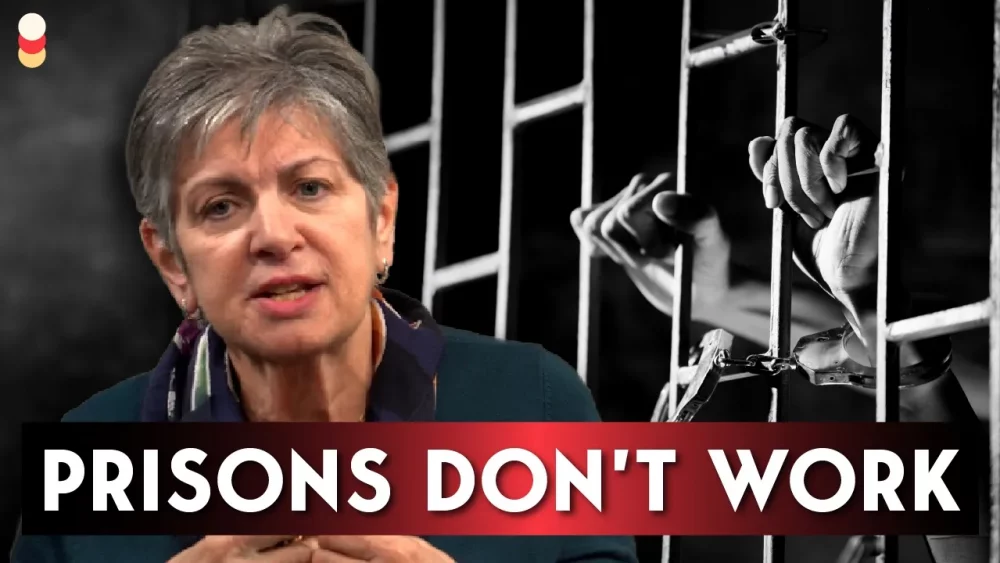
In this solo episode of All Things Conflict, I step behind the mic to explore a question that has shaped my life’s work: why does our current approach to justice so often fail to create real resolution or lasting safety?
After decades working on the ground in prisons and communities, I’ve seen firsthand what our dominant system does well, and where it falls painfully short. Most of what we rely on today is built on a retributive model of justice: a framework that is over 3,000 years old and primarily focused on punishment.
But I’ve come to believe we need something far more effective, and far more human.
The Limits of Punishment-Based Justice
Our current system tends to ask one central question:
“Who broke the rule, and how do we punish them?”
While that may feel satisfying in the moment, it often doesn’t lead to healing, understanding, or reduced harm in the long term. Instead, I’ve seen it reinforce cycles of blame, separation, and repeated conflict.
Punishment alone rarely resolves what is actually going on beneath the surface.
A Different Way to Think About Justice
In this episode, I introduce a lens that has reshaped how I understand conflict entirely:
Justice is the fair allocation of Rights, Resources, and Resolution.
This simple shift changes everything.
Instead of centering blame, we begin to ask:
“How do we repair the harm?”
That question opens the door to accountability that is not about shame or exclusion, but about repair, responsibility, and reconnection where possible.
The “Fairness Button” We All Carry
One of the ideas I explore is what I call the “Fairness Button”, an internal sense of justice that exists in all of us. It gets activated when we perceive something as unfair, unjust, or out of balance.
It’s powerful. But it can also shape how we interpret harm in ways that are not always helpful or accurate.
In this episode, I also challenge a perspective that often creates tension in restorative work:
Not all “hurt feelings” equate to actual injury, loss, or harm within a restorative framework.
This distinction is not about dismissing emotion, it’s about being precise in how we understand harm so we can respond to it effectively and fairly.
From “Who Is to Blame?” to “How Do We Repair?”
When we shift our focus from punishment to restoration, everything begins to change, not just in theory, but in practice.
I’ve seen how this shift can transform:
- Schools, where discipline systems often mirror punishment rather than learning
- Legal systems, where outcomes prioritize penalty over repair
- Relationships, where conflict becomes a pathway to deeper understanding rather than disconnection
Restorative justice is not about being soft on harm. It is about being serious about what it actually takes to repair it.
Why This Matters
This conversation is not just academic for me, it’s deeply practical.
If we want safer communities, healthier relationships, and more effective systems, we have to be willing to question the foundations we’ve inherited.
This episode is my invitation to do exactly that.
To rethink justice not as punishment, but as a process of repair, responsibility, and reconnection.
Because when we change the questions we ask about conflict, we change everything that follows.
🎧Join me in this episode of All Things Conflict, as we explore what it really means to move beyond punishment, and toward a more restorative, human-centered approach to justice.
If you like this blog or content please share it with others.