 Maria Arpa
This week…
The Dark Side of True Crime
With..
Abhishek Raj
In this episode of All Things Conflict, I had the privilege of speaking with the young criminology researcher and founder of The Crime Ledger, an initiative dedicated to responsible and factual crime journalism. Joining me from India, Abhishek shared a perspective that felt both refreshingly mature and urgently necessary in today’s media landscape.
At just 16 years old, Abhishek is already challenging an entire industry.
What struck me immediately was not just his intelligence, but his clarity of purpose.
A “Situational Calling” That Began at 12
Abhishek described his journey into criminology as a “situational calling.” At only 12 years old, he began noticing something deeply troubling about the way true crime stories were being consumed online.
Instead of centering victims, communities, or justice systems, many media portrayals were glorifying perpetrators, transforming serial killers into cultural icons while reducing human tragedy into entertainment.
One moment, in particular, became a turning point for him.
After watching a dramatized Netflix portrayal of Jeffrey Dahmer, a friend of his expressed sympathy for the killer. That reaction deeply disturbed Abhishek. For him, it exposed the dangerous consequences of sensationalized storytelling: audiences were becoming emotionally invested in murderers while the suffering of victims and families faded into the background.
That realization eventually inspired him to create The Crime Ledger at just 15 years old.
His mission is simple but powerful: prove that crime reporting can still be compelling without exploiting tragedy.
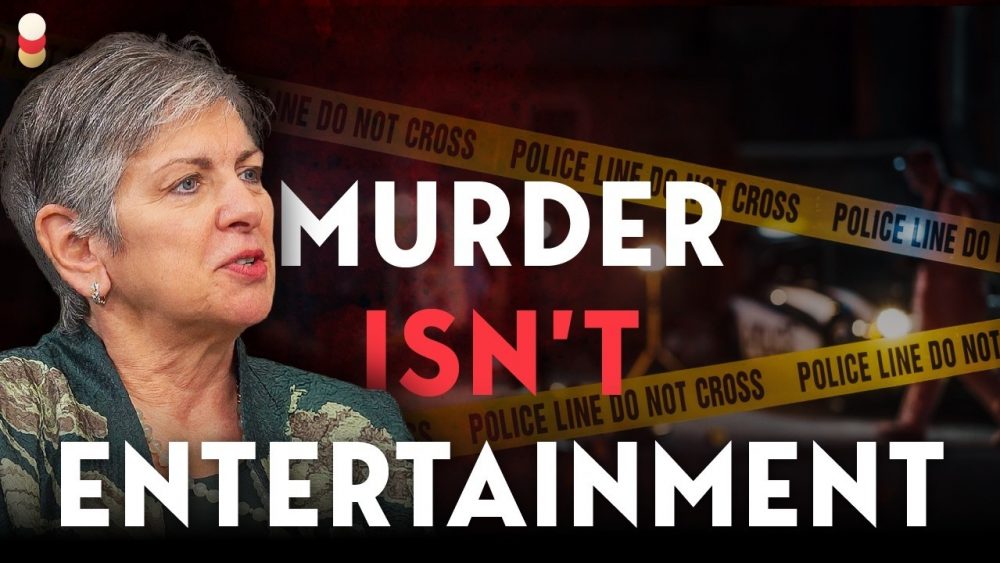
The Problem with Turning Murder Into “Content”
During our conversation, we explored the uncomfortable reality that much of the modern true crime industry thrives on sensationalism.
Algorithms reward shock value. Headlines amplify brutality. Streaming platforms dramatize violence for entertainment.
And somewhere in the middle of all this noise, the humanity of victims is often lost.
Abhishek challenged this culture directly. He spoke passionately about how crime journalism should focus less on glorifying the psychology of offenders and more on helping audiences understand the broader societal, legal, and human consequences of crime.
His argument was not anti–true crime.
Rather, it was a call for maturity.
A call for journalism that informs rather than manipulates.
A call for storytelling that creates awareness rather than obsession.
Creating “Aware Citizens”
One of the most compelling ideas Abhishek shared was his belief that factual crime reporting can actually contribute to a safer society.
Instead of consuming crime stories as entertainment, he believes audiences should use them to recognize patterns of dangerous behavior, understand legal repercussions, and become more aware citizens.
That distinction matters.
Because when reporting prioritizes facts over sensationalism, it shifts the public conversation from fascination to understanding.
It encourages critical thinking rather than passive consumption.
And perhaps most importantly, it restores dignity to the people most affected by crime.
The Forgotten “Co-Victims”
Another powerful moment in our discussion centered around what Abhishek calls the “co-victim perspective.”
When crime stories become viral entertainment, the trauma doesn’t end with the original victims. Families, friends, and entire communities are often forced to relive devastating experiences every time dramatized versions circulate online.
These individuals rarely receive the same attention as the perpetrators whose names dominate headlines and documentaries.
Abhishek believes ethical reporting must acknowledge these unseen victims, the people left behind to carry the emotional aftermath long after public interest fades.
It was an incredibly thoughtful perspective, especially coming from someone so young.
The Future of The Crime Ledger
Despite his age, Abhishek’s ambitions are remarkably clear.
He envisions The Crime Ledger evolving into a credible, large-scale publication focused on responsible crime reporting and real-time factual information. His goal is to create a platform people can trust — one grounded in ethics, research, and accountability.
And honestly, after speaking with him, I believe he is more than capable of achieving it.
A Reminder We All Need
What stayed with me most after our conversation was this simple but important truth:
As consumers, we also carry responsibility.
We cannot continue rewarding sensationalism while expecting ethical journalism to survive.
Abhishek reminded me that audiences must learn to fact-check stories, seek better sources, and question media designed purely to provoke emotional reactions. In a world where algorithms increasingly shape public perception, discernment has become essential.
This episode was more than a conversation about crime media.
It was a conversation about empathy.
About ethics.
About the kind of society we want to build.
And perhaps most remarkably, it was led by a 16-year-old determined to change the narrative.
If this is the future generation of justice reformers and journalists, there is every reason to feel hopeful.
🎧 Listen to this episode if you’ve ever consumed true crime without questioning the human cost behind the headlines, or if you care about justice, ethical storytelling, and creating a society that values awareness over sensationalism..
If you like this blog or content please share it with others.