 Maria Arpa
This week…
Waking Up from Toxic Dynamics
With..
Maria Arpa MBE
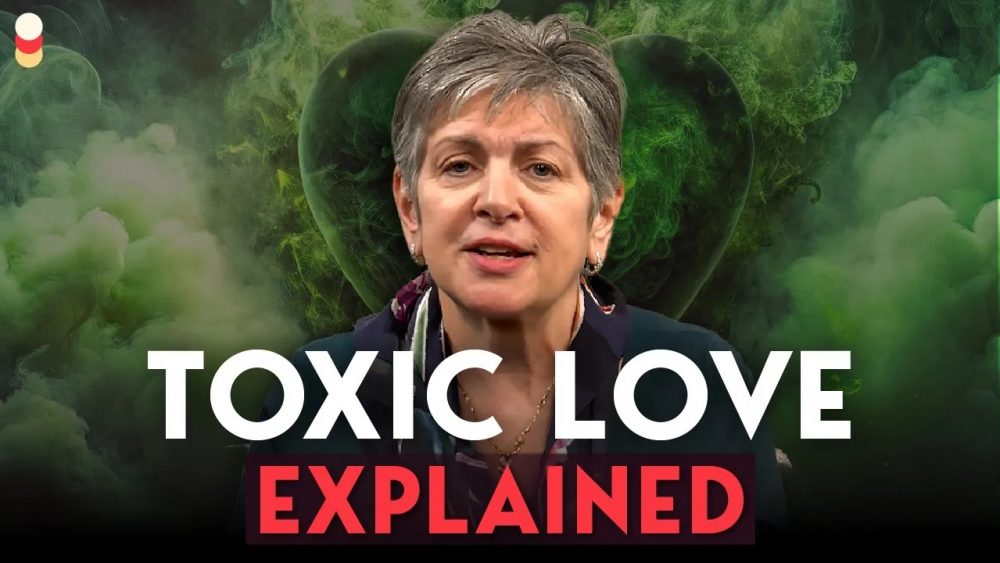
In this solo episode, I explore a topic that has become highly visible, and often misunderstood, online: narcissism. The term narcissist is used widely on social media, often as a quick explanation for painful behaviour. In this episode, I invite listeners to slow down and look beneath the label. Rather than diagnosing people, I focus on understanding the patterns and dynamics that can unfold within relationships.
Why I’m Careful About Labels
Labels can sometimes help us make sense of difficult experiences, but they can also oversimplify human behaviour. When we label someone a narcissist, we may stop observing what is actually happening in the relationship. Instead, I encourage people to look closely at the behaviour and the dynamic, how boundaries are treated, how communication shifts, and how the relationship makes you feel over time.
That level of observation often tells us far more than a label ever could.
Narcissism as a Maladaptation
In the episode, I describe narcissistic behaviour as a maladaptation.
Many people who develop strong narcissistic patterns have experienced trauma or instability early in life. As a result, their nervous system adapts by staying in a form of permanent survival mode.
In that state, self-protection dominates. This can make it very difficult for the person to recognise or respect the boundaries and emotional needs of others.
Understanding this doesn’t excuse harmful behaviour, but it can help us make sense of it.
The Stages of Toxic Entanglement
These relationship dynamics rarely begin with obvious warning signs. In fact, they often follow a recognisable progression.
- Love Bombing
At first there may be intense attention, admiration, and emotional connection. It can feel extraordinary and deeply validating. - Confusion
Gradually the consistency begins to change. Messages become mixed and the emotional tone becomes harder to read. - Gaslighting
Your perception of events may start to be questioned. Conversations are reframed, memories are challenged, and you may be told you misunderstood. - Mind Control
Over time, this confusion can pull you away from your own internal compass. You begin adjusting your behaviour to stabilise the other person.
The Moment of Waking Up
Eventually there may come a moment I describe as waking up.
It often begins with a quiet realisation that something doesn’t quite add up. From there, clarity can slowly return as you reconnect with your own perceptions and instincts.
But that process can feel destabilising, which is why support matters.
Creating a Personal Board of Advisors
One strategy I suggest is building what I call a personal Board of Advisors.
This is a small group of trusted people who can help you sense-check your thinking when your confidence in your own perceptions has been shaken.
Your Board of Advisors might include:
- A trusted friend
- A mentor
- A therapist or coach
- A colleague who understands your environment
Their role is not to make decisions for you, but to help you regain perspective.
Reclaiming Your Sense of Self
Ultimately, this episode is about reclaiming your inner compass.
Understanding these dynamics isn’t about blaming others. It’s about recognising patterns that disconnect us from ourselves, and learning how to step back into clarity.
When we begin to trust our perceptions again and surround ourselves with grounded support, we start to rebuild something essential: our sense of self.
🎧Listen to the full episode to explore these ideas in more depth and learn practical ways to recognise toxic dynamics and reclaim your inner compass.
If you like this blog or content please share it with others.